- Paint my Room
- Guides
- Choosing color
Wall colors that go with your floor
The floor is the biggest color in the room you cannot change, so let it choose. Honey oak suits muted greens and blues, dark wood suits warm whites and deep greens, and gray floors suit whites that share their undertone.
 Erik, Chief Colour Officer · 2 min read
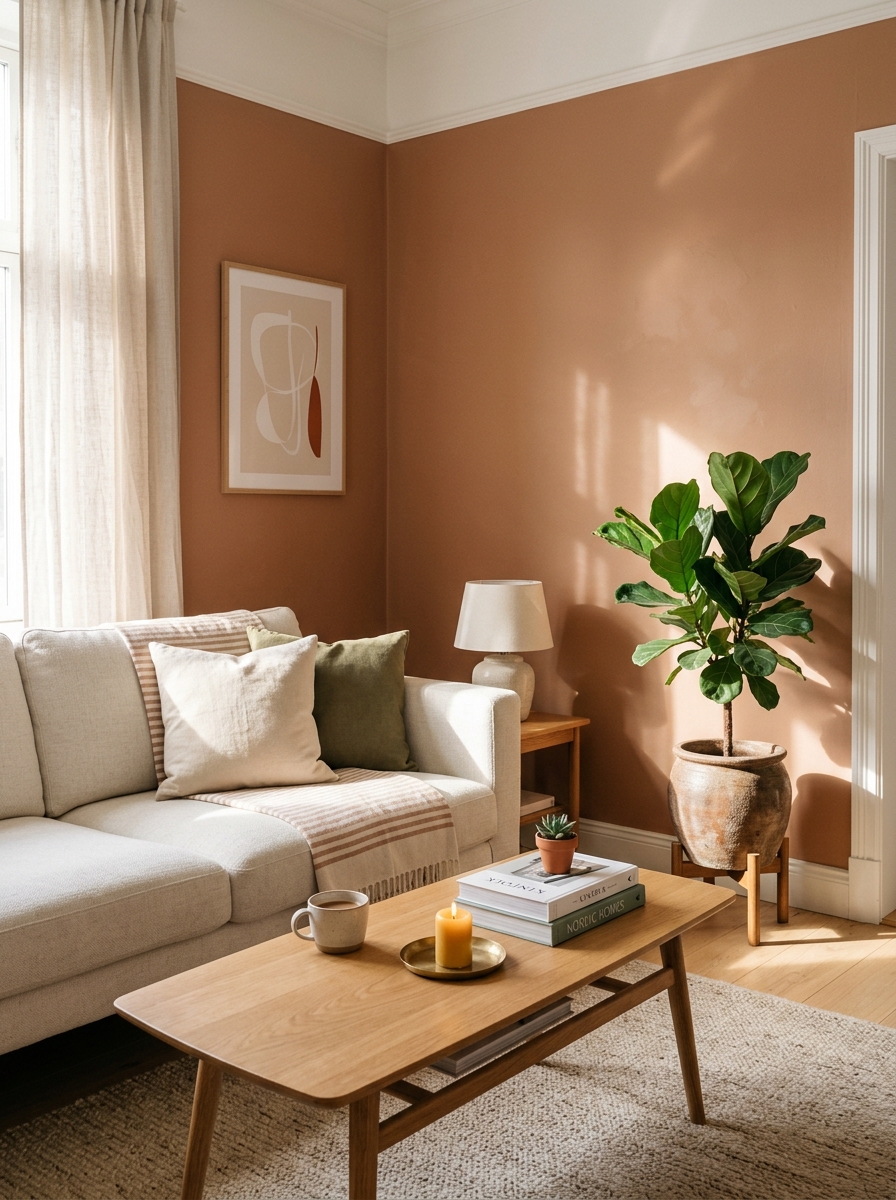
Most people choose wall colors at eye level and forget the floor. Then the paint goes up and something feels off, because the walls and the floor are leaning in different directions. You can repaint a wall in a weekend. The floor is staying, so let it make the first decision.
Why the floor decides first
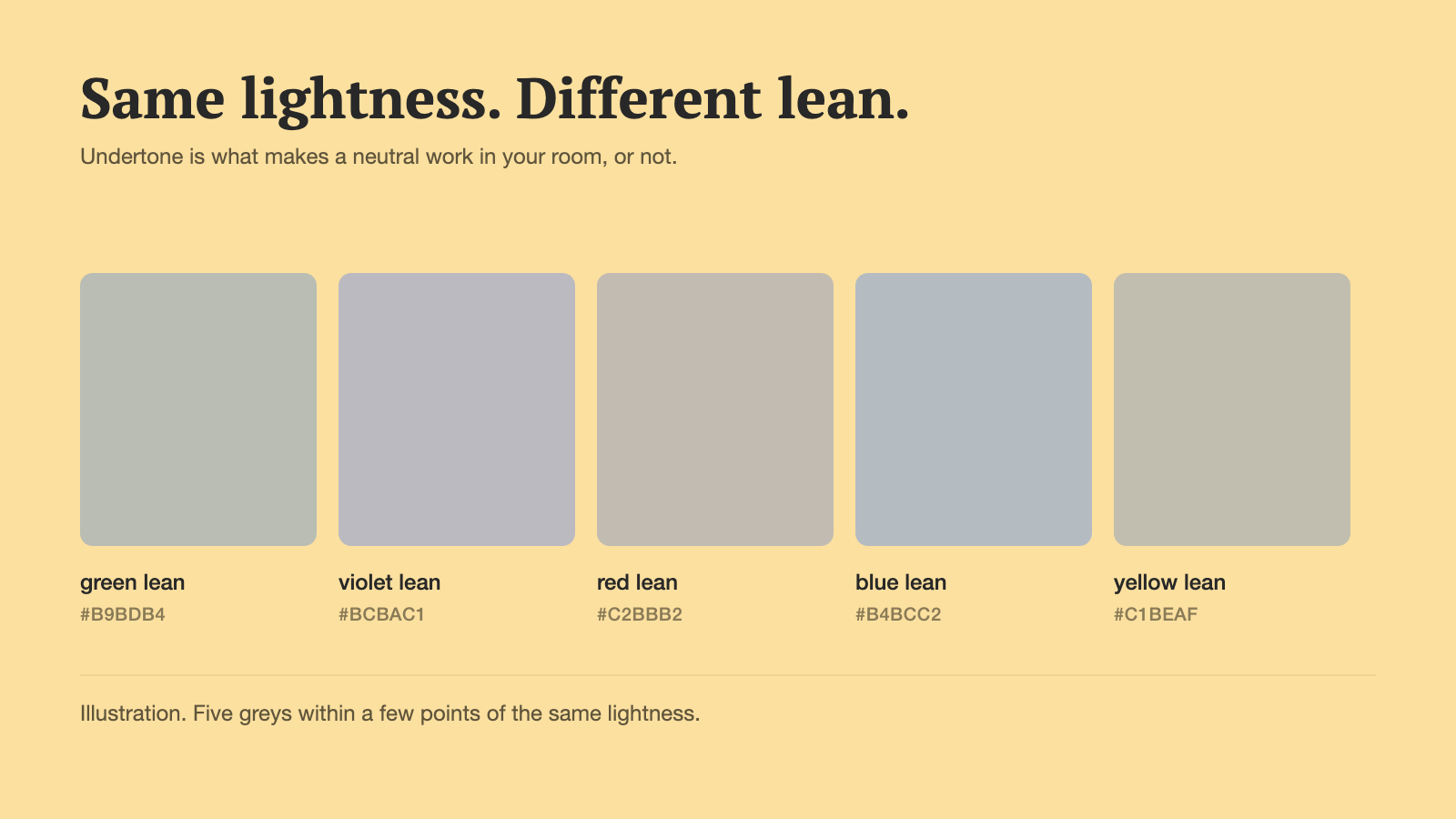
Floors cover a large area and sit in every view of the room. Wood has a strong undertone, orange, yellow, red or gray, and even tile and carpet lean warm or cool. A wall color that shares or deliberately balances that undertone looks planned. One that clashes makes both the walls and the floor look worse.
Start by naming your floor's undertone. Put a white sheet of paper on it and the lean becomes obvious.
Wall colors for honey oak and orange-toned wood
Honey oak and pine lean orange and yellow. Bright warm walls, yellow, peach or cream, push the floor even more orange. Colors from the other side of the color wheel balance it instead.
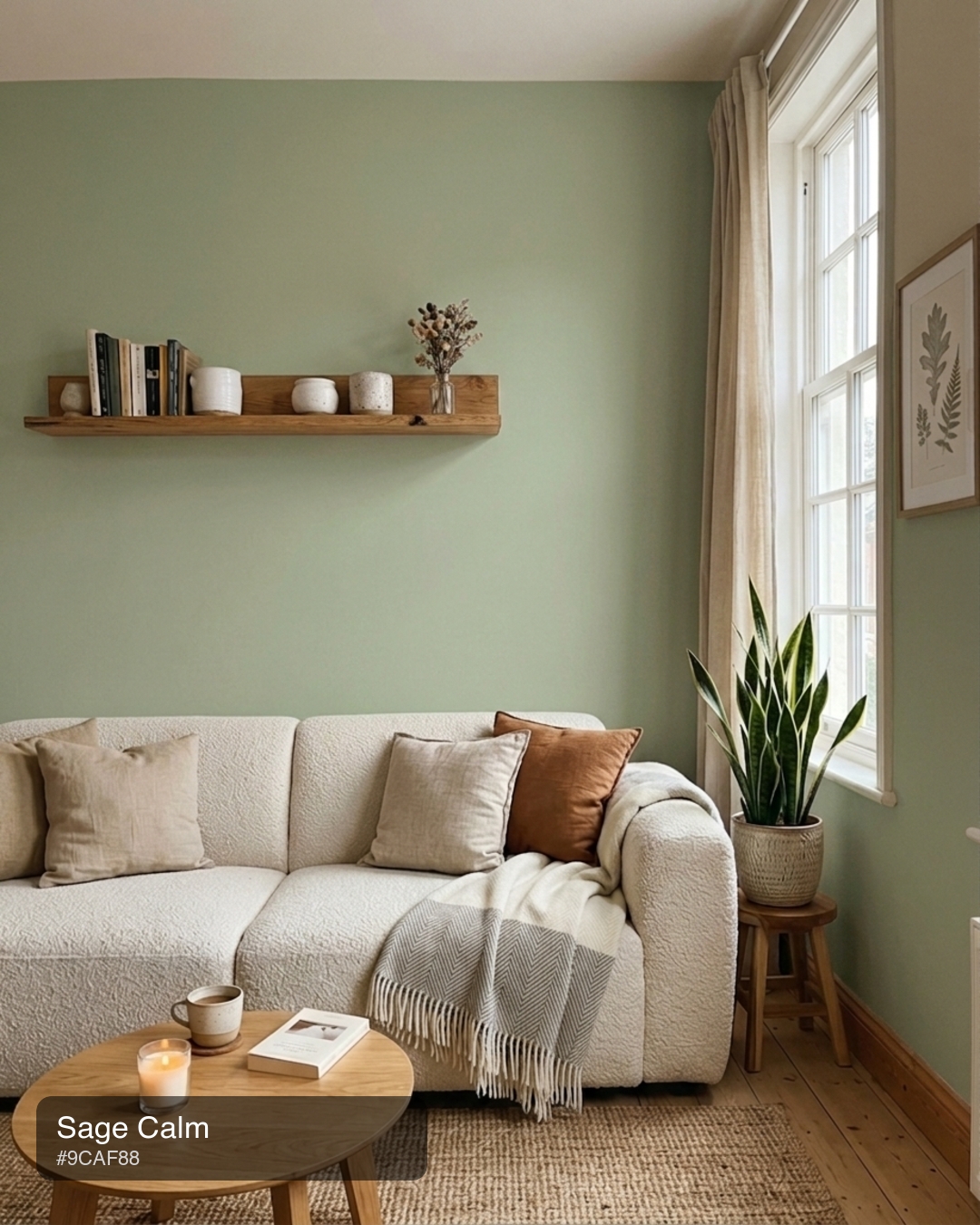
- Muted sage and olive calm the orange and feel natural with wood.
- Soft dusty blue cools the room down without feeling cold.
- Warm white with a gray base gives a clean backdrop that does not compete.
Wall colors for dark wood floors
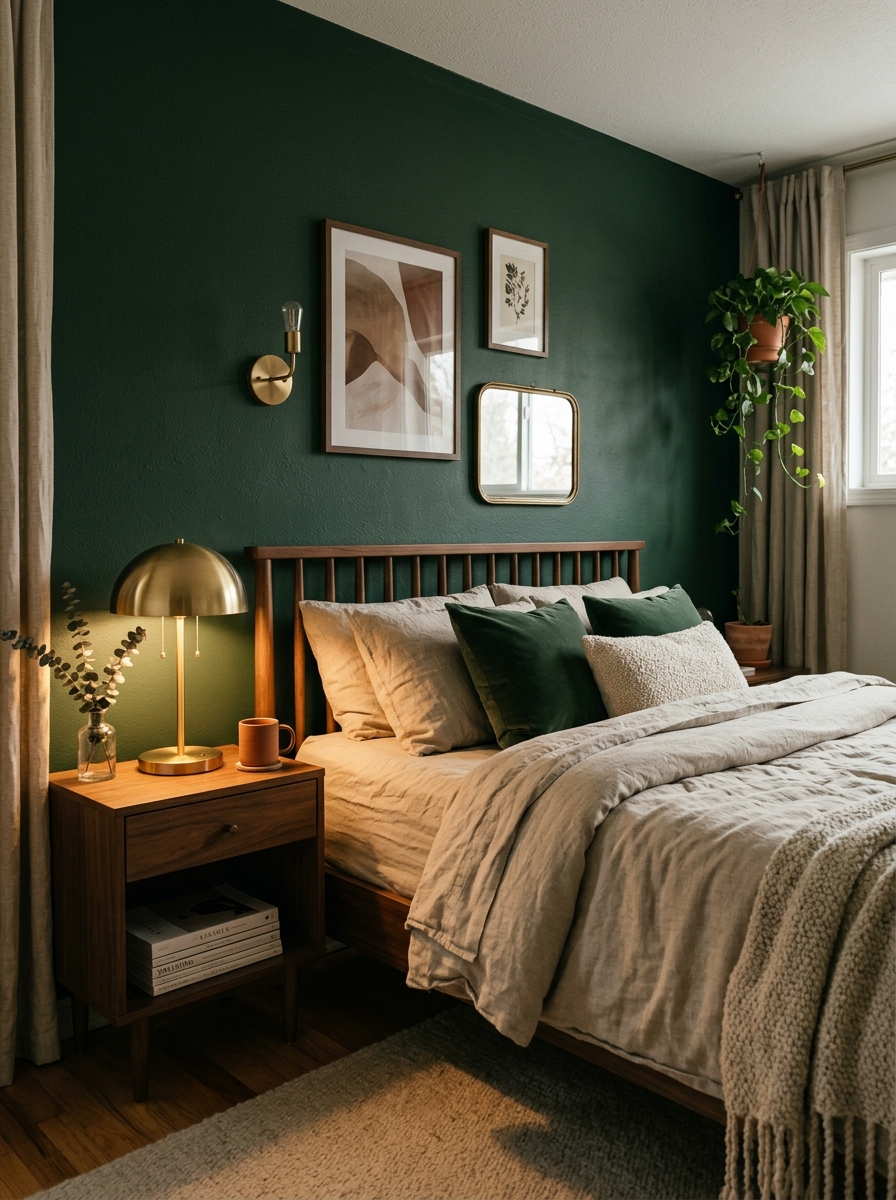
Dark walnut and espresso floors are heavy, so the walls need to bring light. Warm whites and soft greige keep the room open and let the wood look rich. If you want more character, deep green or navy on the walls creates a moody, tailored look that suits dark wood well, especially in a study or dining room.
Avoid cool, stark whites. Against dark wood they can look harsh and clinical.
Wall colors for gray floors
Gray floors, whether laminate, tile or washed wood, are either cool or warm. Cool grays with a blue base suit crisp whites, blue-grays and soft navy. Warm grays with a beige base suit greige, warm stone and muted clay.
The mistake is pairing a warm beige wall with a cool blue-gray floor. Each makes the other look dirty. Match the lean and both look clean.
See the walls and floor together
The whole question here is how the wall meets the floor, so testing a chip in isolation misses the point. Take a photo of the room that shows both, and preview your candidate colors on the walls. Paint my Room does this from a single photo, so you can see which shade agrees with your floor before you buy a tester.
Questions people ask
What wall color goes with honey oak floors?
Muted greens, soft dusty blues and warm whites with a gray base. These balance the orange in honey oak instead of amplifying it. Avoid strong yellows, peach and bright cream, which make the floor look more orange than it is.
Should walls be lighter or darker than the floor?
Usually lighter. Dark floors with lighter walls keep a room grounded and open, which is how most spaces feel comfortable. Walls darker than the floor can work in a moody study or dining room, but need a deliberate, committed color choice.
What color walls go with gray floors?
It depends on the gray. Cool, blue-leaning gray floors suit crisp whites, blue-grays and navy. Warm, beige-leaning gray floors suit greige, warm stone and soft clay. Matching the undertone of the floor matters more than the exact shade.
Do wall colors need to match the floor exactly?
No. They need to agree in undertone, not match in color. A warm floor wants warm or balancing walls, a cool floor wants cool ones. A wall the same shade as the floor usually looks flat, while a related shade looks considered.
Sources
- Complementary colorson why blues and greens balance orange-toned wood.
- Color wheelon how warm and cool hues relate across the wheel.
See the color on your walls first
Paint my Room paints a photo of your own room in any color, with its light and shadow kept. Free to download on iPhone, iPad and Android.